Buying Guides
Straight answers to the questions that decide whether your first purchase is the right one, written by people who use this equipment.
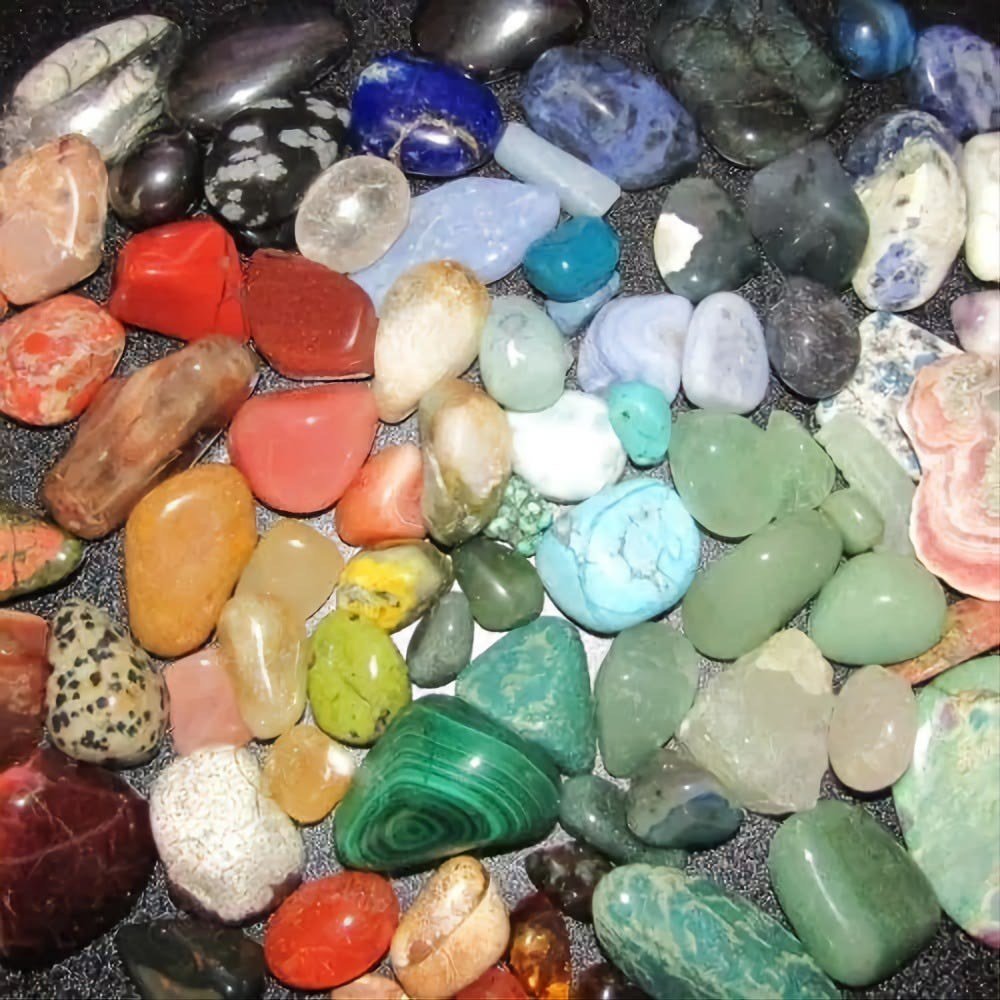
Choosing Your First Rotary Tumbler
Barrel size, grit stages, and how long to run each load: the questions that actually decide whether your first batch comes out polished or just scratched.
Read guide →
Slab Saw vs Trim Saw: Which Do You Need?
Slab saws cut big rough into slabs; trim saws cut small pieces and shape preforms. Here is how to tell which one fits the way you work.
Read guide →
Diamond Saw Blade Guide: Size, Type and What to Buy
Blade diameter, arbor size and bond type decide how well your saw cuts. Here is how to choose the right diamond blade.
Read guide →
Lapidary Saw Safety and Choosing a Coolant
Cut safely and keep your blades alive: eye protection, guarding, coolant choices and the habits that prevent most saw accidents.
Read guide →
Rock Tumbler Grit Guide: Stages, Sizes and Polish
What each grit stage does, how much to use, and how to avoid the mistakes that leave you with dull, scratched stones.
Read guide →
How Long Does Rock Tumbling Take?
A typical batch takes about a month. Here is how long each stage runs and what changes the timeline.
Read guide →
How to Choose a Flat Lap Machine
Flat laps flatten and polish stone, glass and crystal. Compare rotary and vibrating laps and the disc sizes that suit your work.
Read guide →
Diamond vs Silicon Carbide Grinding Wheels
Diamond wheels cut faster and last longer; silicon carbide wheels cost less up front. Here is how to decide.
Read guide →
How to Polish Cabochons: Wheels, Compounds and Technique
The final polish depends on clean sanding, the right compound and the right wheel. Here is how to get a glossy cabochon.
Read guide →
How to Cut a Cabochon: A Beginner Step-by-Step
From slab to finished stone: the basic steps and equipment for cutting your first cabochon.
Read guide →
Best Lapidary Equipment for Beginners
Start with the essentials: a saw, a grinder polisher, a tumbler and a few supplies. Here is how to build a first setup.
Read guide →
How to Choose a Lapidary Saw
Saw type, blade diameter, depth of cut, feed system and coolant: the decisions that determine whether a lapidary saw fits the way you work.
Read guide →
Tile Saw vs Lapidary Saw: Can You Cut Rocks With a Tile Saw?
Tile saws and lapidary saws both use diamond blades and water, but they are built for very different work.
Read guide →
How to Use a Rock Tumbler: Step-by-Step Guide
Loading, grit stages, water level, run times and cleanup: everything you need to know to run your first batch.
Read guide →
Rotary vs Vibratory Rock Tumblers: Which Is Better?
Rotary tumblers round and smooth stones over weeks; vibratory tumblers work faster and keep more of the original shape. Here is how they compare.
Read guide →
Flat Lap vs Cabbing Machine: What Is the Difference?
Flat laps flatten and polish flat surfaces; cabbing machines shape and polish domed cabochons. Here is which one you need.
Read guide →
What Is a Cabbing Machine? How It Works and What to Buy
A cabbing machine shapes and polishes cabochons on a stack of diamond wheels and polishing pads. Here is how it works and what to look for.
Read guide →
How to Polish Rocks: 3 Methods Compared
Tumbling, cabbing and flat lapping can all polish rocks. Here is how each method works and how to choose one.
Read guide →